
Sell from comfort of your home
- Best price for your harvest
- Quality certified by our reelers
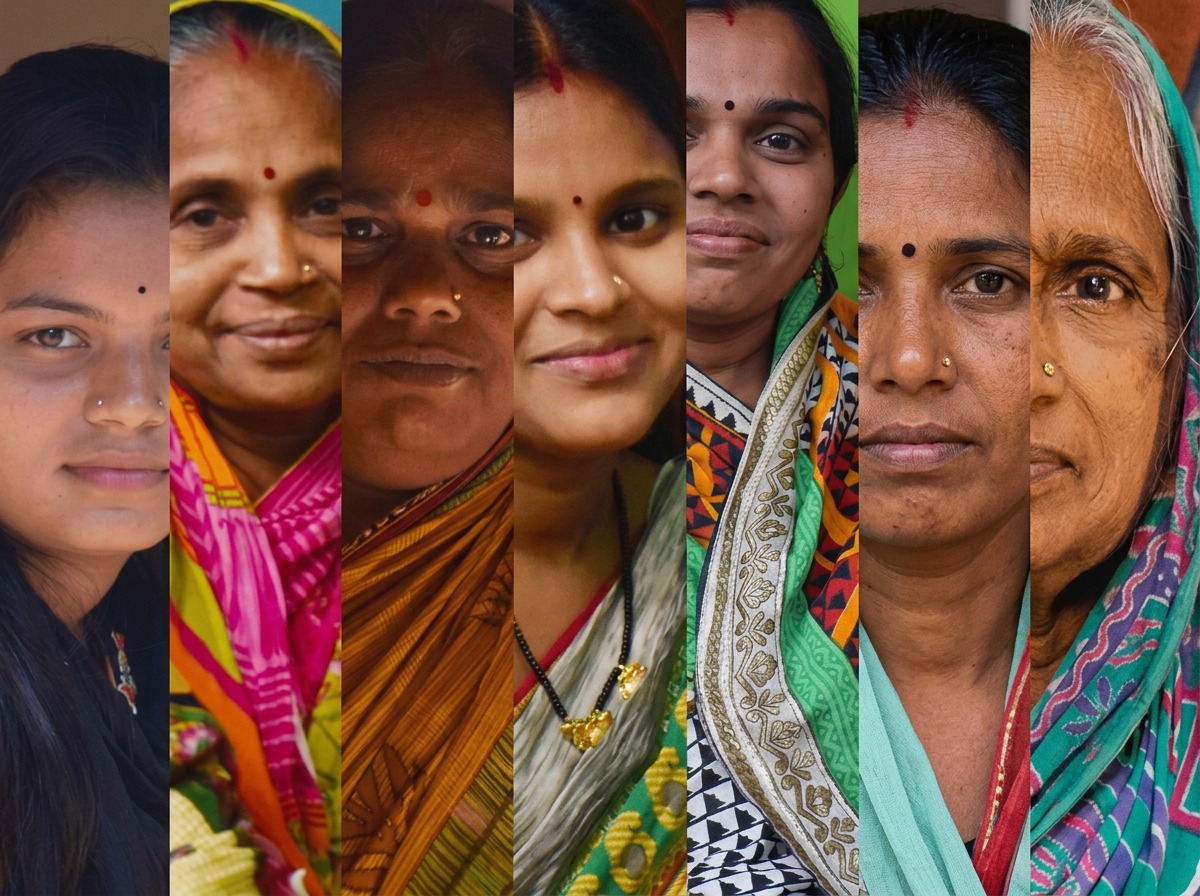
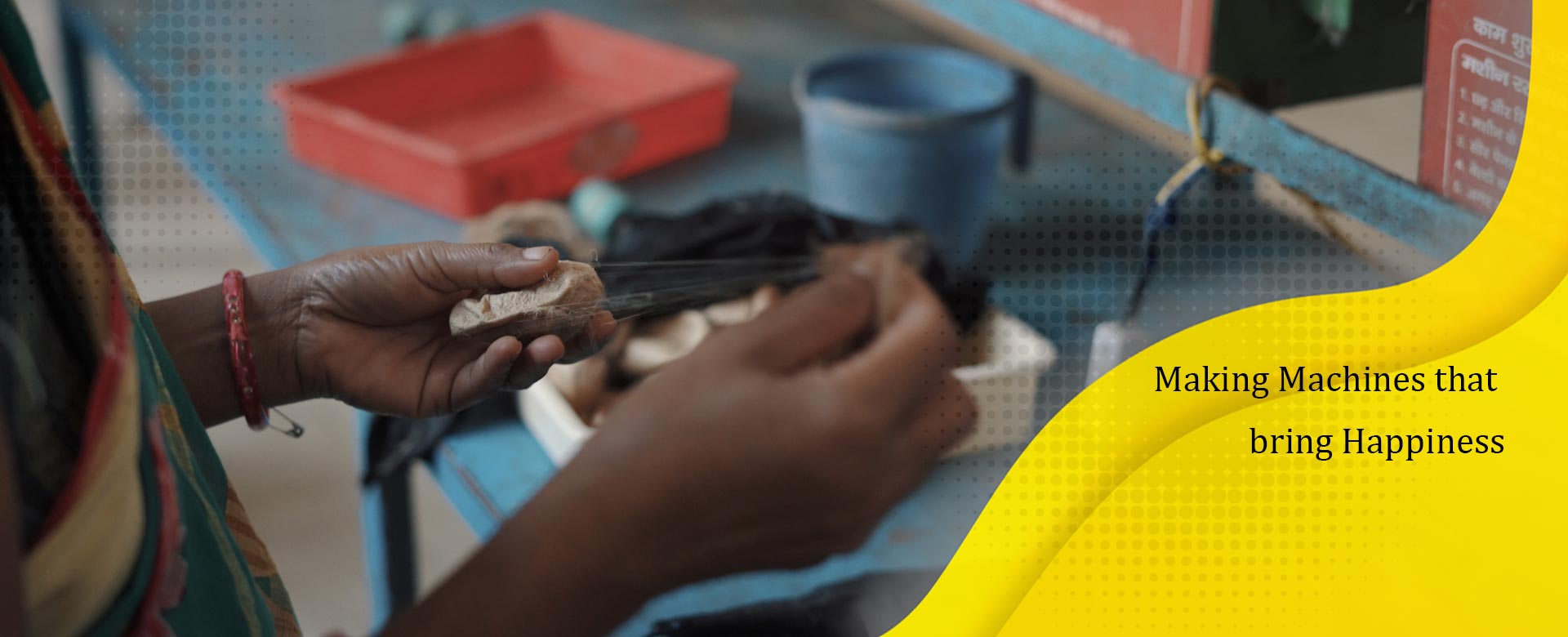
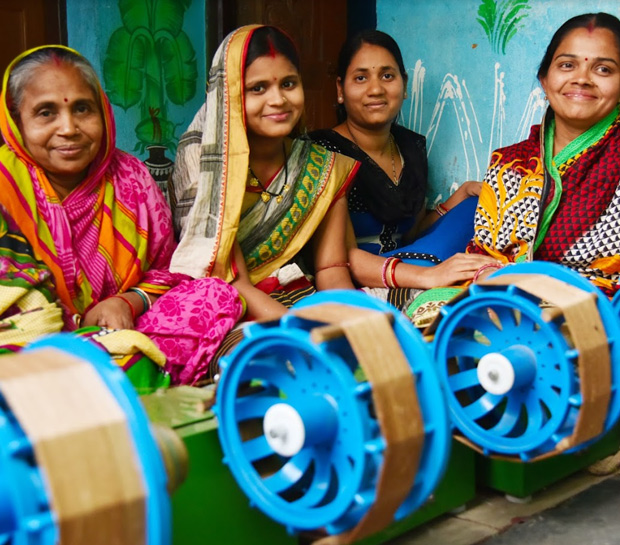
Empowering Rural Artisans
in the Silk Industry
Rural communities living in remote, backward regions of India have limited livelihood options. This leads to lack of belief in the future and migration to towns.
We offer reliable, consistent and dignified income opportunities that make rural and tribal women self-sufficient — turning them into hopeful, believing communities climbing up the social ladder.


Why choose Gram Sootra Silk Yarn?
The realities behind every skein — and how a fairer marketplace changes them.

Tassar
The women depended on middlemen for providing them raw material and buying back the yarn produced. They had no negotiating power and ended up getting exploited. In fact in many cases, the women were family members of weavers and they did hidden labour, getting no remuneration for it. Large share of profits was taken away by the middlemen, leaving the yarn reelers in abject poverty.

Eri
By selling cocoons, the rearer can earn a profit of Rs. 300 to 400 per kilogram. They earn about Rs 4,800 per annum. Sometimes this runs into loss if she must sell to an aggregator, who gives very low prices as the quantity is very less — roughly one kg a month. If she could spin the cocoons into yarn, her profit would grow many folds.

Mulberry
Mulberry rearing demands daily care of the silkworms and a steady supply of fresh leaves. For most women, the real bottleneck is not the work but the price they finally receive. When the cocoon trader sets the rate alone, months of careful rearing can vanish into a single under-quoted sale.

Muga
Muga, the golden silk of Assam, is reared almost entirely by tribal communities in the North-East. The yarn is rare and prized, yet most reelers see only a sliver of its final retail value. A transparent marketplace lets them quote their own price and build a name for their village's quality.
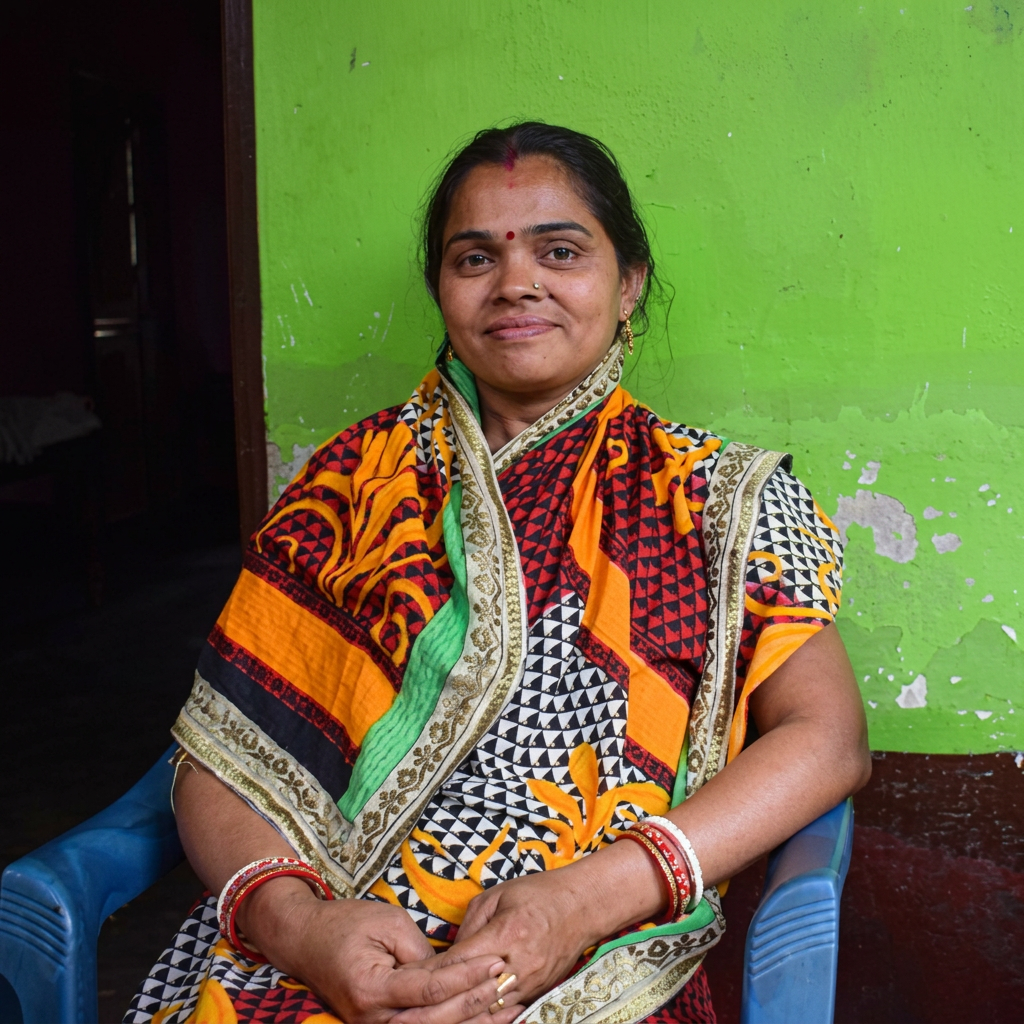
Become a Seller Today!
- Access to a wider market.
- Improved price discovery and eliminate dependence on middlemen.
- Sourcing made convenient and dependable.
- Certification, payments and logistics that build trust across remote geographies.